Western Vibes: Cowboy Spade, Dice, 8 Ball, and Hat Review
When I sit down to evaluate a new digital asset for my embroidery studio, I am rarely looking at it as just a picture. I am looking at it as a set of instructions for thread, fabric, and time. Today, I am breaking down Cowboy Spade, Dice, 8 Ball, Cowboy Hat, a graphic that promises a bold Western aesthetic. As an experienced designer who has stitched thousands of designs onto everything from delicate baby bodysuits to heavy-duty workwear, I need to know if this design holds up under the needle. Is it a viable addition to a small business inventory? Does it translate well from screen to stitch? Let’s look past the marketing and examine the practical reality of using this clipart in real-world embroidery projects.
First Impressions and Visual Personality
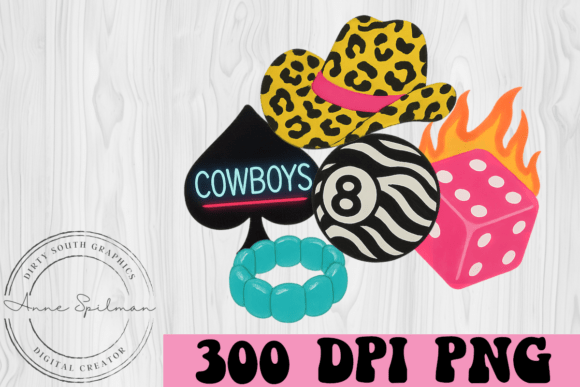
The moment you load Cowboy Spade, Dice, 8 Ball, Cowboy Hat into your digitizing software or preview window, the mood is unmistakable. It screams rugged individualism mixed with playful luck. The combination of the spade (representing risk or poker), the dice (chance), the 8-ball (mystery or finality), and the cowboy hat (classic Americana) creates a narrative. It isn’t just a collection of random objects; it feels like a character study of the modern westerner—someone who takes risks, enjoys the game, and wears their heritage on their sleeve.
Visually, the layout is balanced. For an embroiderer, balance is everything. If a design is too heavy on one side, the hoop will wobble, or the tension will throw off the rest of the stitching. This design appears to have a central gravity that allows for clean hooping. The transparent background mentioned in the product description is crucial here. It means I can place these elements exactly where I want them on a garment without fighting against unwanted white squares or awkward cropping. The 300 dpi resolution ensures that when I zoom in to check the edges of the hat brim or the pips on the dice, they are crisp. There is no pixelation blur that would make the final satin stitches look jagged or muddy.
Real-World Application: Where This Design Shines
I have spent years testing how graphics perform on different substrates, and Cowboy Spade, Dice, 8 Ball, Cowboy Hat finds its natural home in custom apparel and lifestyle accessories. Here is how I see this playing out in actual production runs:
- Sweatshirt Embroidery: This is perhaps the strongest use case. A crewneck sweatshirt in charcoal gray or black provides the perfect canvas for bright, contrasting thread colors. The bold lines of the cowboy hat and the solid shapes of the dice translate beautifully to fill stitch. It gives off a vintage band-tee vibe that appeals to a wide demographic.
- Tote Bag Design: Canvas totes are staples for craft fairs and Etsy sellers. Placing this design on the front pocket or center panel of a jute bag adds instant personality. The western theme pairs exceptionally well with natural fibers, creating a cohesive rustic look that customers love for shopping or beach days.
- Embroidered Patch: Because the graphic contains distinct, separate icons, it lends itself well to being turned into a patch. You could stitch this onto denim jackets, backpacks, or baseball caps. The "8 Ball" element alone could be a standalone accent, but together, they create a statement piece.
- Kitchen and Home Decor: Do not overlook the utility aspect. This design works surprisingly well on kitchen towels or aprons for someone who loves to cook but also loves the outdoors. Imagine a chef wearing an apron with this motif—it adds a touch of humor and personal style to the workspace.
For the Etsy seller or small shop owner, this design offers versatility. It fits into seasonal trends effortlessly. It works for Christmas gifts (for the uncle who loves poker nights), for Fourth of July merchandise, or even as a generic western-themed item for year-round sales. The broad appeal reduces the risk of unsold inventory because the theme is timeless rather than trendy.
Technical Challenges and Areas for Caution
No design is without its pitfalls, and Cowboy Spade, Dice, 8 Ball, Cowboy Hat presents specific challenges that every machine embroidery designer must address before committing to a run.
First, consider the stitch density. Graphics like this often rely on solid fills to maintain their shape. If the digitizer does not optimize the underlay and top stitch density, the fabric may pucker, especially on lighter materials. Always test on scrap fabric first. If you are working with thin cotton or stretchy jersey, you will need a strong cut-away stabilizer to prevent distortion. The weight of the threads used for the spade and dice needs to be supported properly, or the final product will feel stiff and uncomfortable.
Second, think about thread color contrast. On dark fabrics, you cannot skimp on coverage. To get the vibrant look shown in the digital preview, you may need to use two layers of thread or choose a high-pile yarn thread for the hat brim to give it texture. On light fabrics, ensure that the negative space (the parts that remain unstitched) does not look accidental. The transparency of the PNG helps, but your digitizing software needs to interpret those gaps correctly so they don't turn into messy running stitches.
Third, avoid placing this design on highly textured fabrics like chunky knits or bouclé wool. The details of the dice pips and the curvature of the hat will get lost in the weave of the fabric. Stick to smooth surfaces like denim, twill, fleece, or poplin for the clearest result. Also, be wary of very small hoop sizes. If you try to shrink this entire composition down to fit a 4x4 inch hoop, the fine details will become illegible blobs. Keep the minimum size large enough to respect the integrity of each icon.
Professional Notes for the Maker
Before you start selling finished products featuring Cowboy Spade, Dice, 8 Ball, Cowboy Hat, there are administrative and technical checks you must complete.
- Check Licensing: The product description identifies this as a graphic, not an SVG file. This usually implies you are buying the rights to use the image in a physical product, but you must verify if commercial use is permitted. Can you sell the embroidered items? Can you use them in digital mockups? Never assume. Read the license agreement carefully to protect your business from copyright strikes.
- Digitization Quality: Since this is a raster image (PNG) and not a vector or native embroidery file, you will likely need to trace or digitize it yourself unless the seller provides a .dst or .pes file. If you are tracing it, pay close attention to the corners of the hat and the roundness of the 8-ball. Poorly traced curves lead to poor stitching. Use proper stabilizer and adjust your thread colors to match the intended palette.
- Mockup Testing: Before investing in bulk fabric, create a printable mockup. Print the design at actual size and pin it to the garment. Step back and look at it. Does it look balanced? Is the text legible (if any)? Does it align with your brand’s aesthetic? This step saves money on wasted fabric and thread.
Ultimately, Cowboy Spade, Dice, 8 Ball, Cowboy Hat is a strong candidate for anyone building a western or casual lifestyle brand. It captures a specific mood that resonates with customers who value authenticity and fun. By respecting the technical limitations of embroidery and planning your production process carefully, you can turn this simple graphic into a high-value handmade product that stands out in a crowded market. Whether you are decorating a personalized gift for a friend or stocking shelves for your craft business, this design offers a reliable foundation for creative success.