Cowboy Ghost Halloween PNG Review
As a designer who spends more time staring at stitch density charts than actual sunsets, I approach every new digital asset with a healthy dose of skepticism. The market is flooded with clipart that looks charming on a screen but falls apart the moment it hits the hoop. That is exactly why I took Cowboy Ghost Halloween PNG for a real-world test run. I wasn’t just looking for something cute; I was looking for something that translates well from a flat image into a tactile, stitched reality. After spending an afternoon mocking this up on various fabric types and running it through my design software, here is my honest take on whether this graphic deserves a spot in your embroidery library.
The First Impression: Spooky Meets Sweet
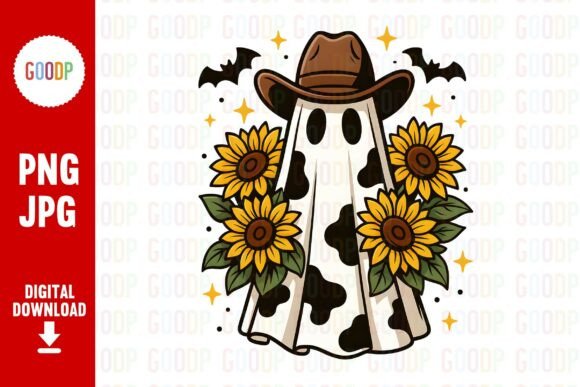
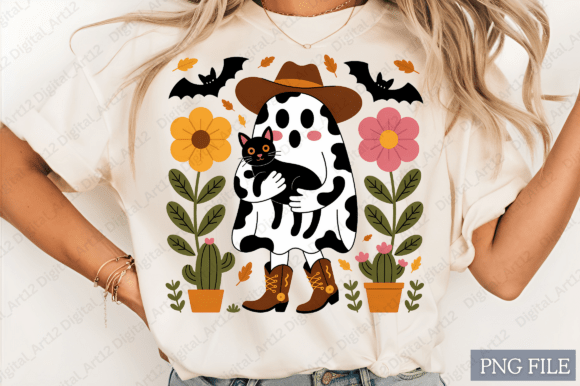
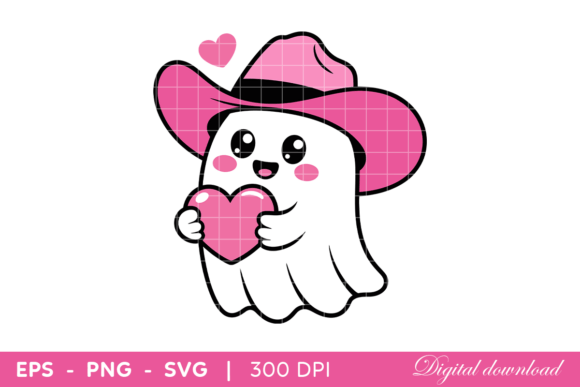
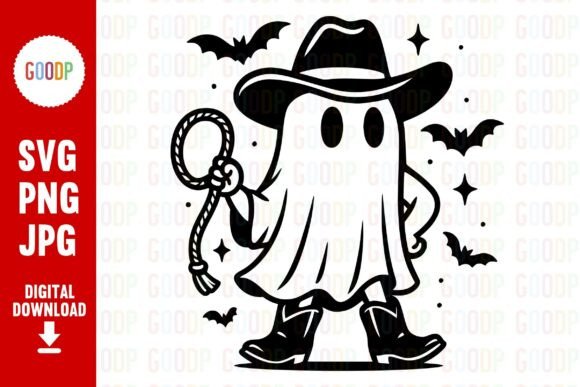
When you first load Cowboy Ghost Halloween PNG, the immediate vibe is undeniably "spooky-cute." It avoids the trap of being genuinely terrifying, which makes it incredibly versatile. For a designer targeting the broader holiday market, this is a strategic advantage. The character has a distinct personality—a friendly, wandering spirit donning classic western gear. This visual clarity is crucial because embroidery relies heavily on strong silhouettes. If the original illustration is too busy or ambiguous, the stitching will look muddy.
The layout feels balanced, leaving enough negative space around the edges to allow for easy digitizing without worrying about awkward cropping. It doesn’t scream for attention with chaotic details; instead, it offers a clean focal point. This simplicity is often what separates a professional-looking embroidered patch from a amateur attempt. The mood it creates is playful yet seasonal, making it perfect for autumn-themed collections where you want to acknowledge the holiday without leaning too heavily into horror aesthetics.
Real-World Application: From Screen to Stitch
I decided to test this design in three specific scenarios that are common in my workflow: a custom sweatshirt for a boutique client, a set of personalized baby onesies, and a series of embroidered patches for craft fair merchandise. Each of these applications highlights different strengths and challenges of the source file.
Custom Apparel and Sweatshirts
On a heavyweight cotton blend sweatshirt, the design held its own beautifully. The cowboy theme pairs naturally with rugged fabrics, creating a cohesive aesthetic. When converted into a machine embroidery design, the ghost’s form allows for generous use of fill stitches, which provides good coverage and durability. However, I had to be careful with the hat brim and any small decorative elements like spurs or belt buckles. These areas require precise satin stitch work. If the digitizer does not reduce the stitch count slightly, those tiny details can pucker or become indistinguishable after washing. For a small shop product, ensuring these details are legible is key to maintaining brand consistency and customer trust.
Baby Embroidery and Personalized Gifts
This is perhaps the strongest use case. Parents love subtle, non-scary Halloween themes for their little ones. Using Cowboy Ghost Halloween PNG on a soft muslin blanket or a burp cloth creates an instant hit. The "spooky-cute" factor works perfectly here because it appeals to the parents buying the gift as much as the novelty it provides the child. In terms of handmade presentation, this design adds value because it feels thoughtful and themed. It transforms a generic white onesie into a memorable personalized gift. Just remember to use a proper stabilizer behind delicate baby fabrics to prevent distortion, especially if you are using a dense stitch pattern.
Embroidered Patches and Tote Bag Design
For crafters and Etsy sellers looking to create accessories, this graphic is ideal for applique designs or full-stitch patches. The outline is distinct enough that even if you use a simple running stitch border, the shape remains clear. On canvas tote bags, the contrast between the thread and the fabric texture enhances the rustic cowboy vibe. It’s a practical choice for commercial embroidery projects because it appeals to a wide demographic—teens, adults, and children alike. This broad appeal increases the likelihood of sales at craft fairs or online listings.
Where to Exercise Caution
No design is flawless, and knowing where Cowboy Ghost Halloween PNG might struggle is just as important as knowing where it shines. There are specific situations where this graphic requires extra attention or should be avoided entirely.
Small Hoop Sizes and Tiny Details
If you are working with a 4x4 inch hoop or smaller, you need to inspect the small details closely. Elements like the ghost’s facial features or the intricate parts of the cowboy hat may become lost if the stitch density is too high. In these cases, simplifying the digitization is necessary. Do not force every pixel of the original PNG to have a corresponding stitch. Sometimes, letting the fabric show through is better than attempting a cluttered satin stitch.
Textured and Stretchy Fabrics
Embroidering on textured fabrics like waffle knit or highly stretchy jersey requires a robust stabilizer strategy. The natural irregularity of the fabric surface can cause the stitches to pull unevenly. If you are placing this design on a cap or a curved surface, keep in mind that tension issues are more likely. Test the design on scrap pieces of the exact same material before committing to the final product. This step saves time and prevents ruined inventory.
Dense Stitch Areas and Dark Fabrics
While the design is generally clean, areas intended to be filled with thread can look heavy on dark fabrics if the underlay is too thick. Always check thread color contrast. A light-colored ghost on a black shirt might require a white underlay, which can add bulk. Conversely, on light fabrics, you have more freedom with thread choices, allowing for creative shading that enhances the spooky theme.
Practical Designer Notes for Success
To get the most out of this graphic, follow these practical steps before starting your production run:
- Test on Scrap Fabric: Never assume a design will stitch perfectly on the final garment. Run a quick sample to check tension and stability.
- Review Stitch Density: High stitch counts can lead to puckering. Adjust the density settings in your digitizing software to match the fabric weight.
- Check Licensing: Before selling finished items or digital products, confirm the licensing terms. Ensure you have the right to use Cowboy Ghost Halloween PNG for commercial purposes, especially if you are a POD seller or operating a craft business.
- Use Proper Stabilizer: Match your stabilizer to your fabric. Tear-away for woven shirts, cut-away for knits and hats.
- Mockup in Black and White: Convert your design to grayscale to ensure there is enough contrast between the stitch colors and the background fabric.
Ultimately, Cowboy Ghost Halloween PNG is a solid addition to any illustrator’s or embroiderer’s toolkit. It balances thematic relevance with visual simplicity, making it adaptable across various mediums—from sublimation prints to detailed machine embroidery. By understanding its limitations and leveraging its strengths, you can create professional-grade finished products that resonate with customers. Whether you are updating your Etsy listings or preparing for the holiday rush, this design offers a reliable foundation for creativity.