Boo Haw Cowboy Ghost Halloween Tee Review
As a designer who spends half my life staring at digitized files and the other half watching them stitch out on hoop frames, I don’t just look for "cute" designs. I look for viability. Does this design hold up when it’s actually being worn? Will it sell? Can it be stitched without frustration? When I first pulled up the Boo Haw Cowboy Ghost Halloween Tee, I didn’t just see a funny ghost; I saw a potential bestseller for the upcoming holiday season. This piece comes from a spooky bundle that promises humor and chills, but the real test is always in the execution. Here is my practical breakdown of how this design performs in real-world embroidery scenarios.
First Impressions: Personality and Visual Balance
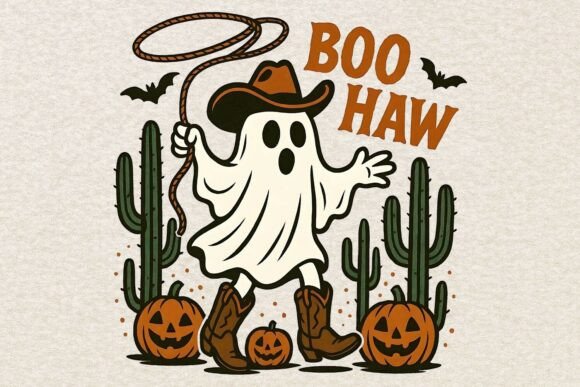
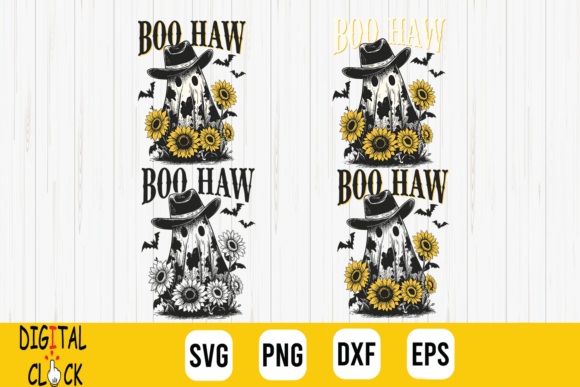
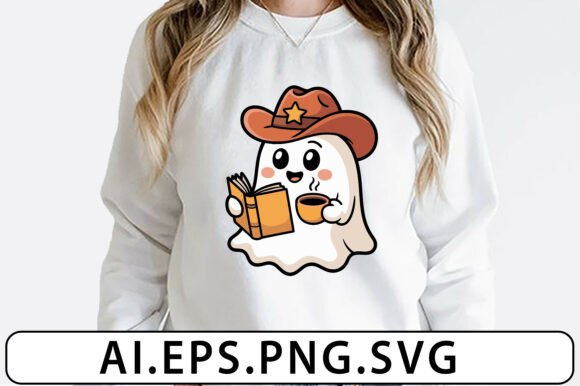
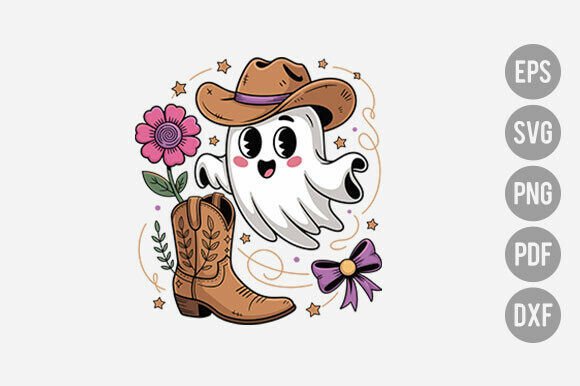
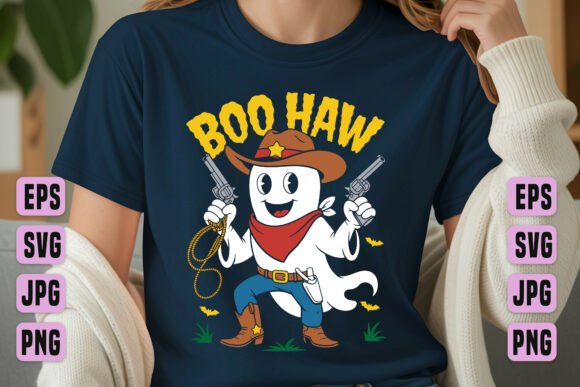
The immediate draw of the Boo Haw Cowboy Ghost Halloween Tee is its personality. It isn’t trying to be scary; it is leaning into the "funny ghost" aspect mentioned in the product description. The cowboy motif adds a rustic, playful twist that feels distinct from the typical witch or pumpkin泛滥 we see every October. For an embroidery project, this distinction matters because customers are looking for novelty. The layout appears balanced, which is crucial for maintaining visual harmony once the threads are laid down. The mood is lighthearted, making it perfect for those who want festive vibes without the gore or darkness associated with traditional horror themes.
From a graphic standpoint, the shapes need to translate well into thread. If the original Graphics file relies too heavily on tiny gradients or thin lines, it will disappear under the texture of embroidery stitches. However, based on the concept, this design seems built on bold outlines and recognizable silhouettes—two things that embroider beautifully. The visual personality suggests a character that can stand alone as a focal point, rather than needing a complex background to make sense.
Real-World Application: Where This Design Shines
I have been thinking about where this machine embroidery design fits best in a small business inventory. While it is categorized under T-Shirt Designs, limiting it to just tees would be a mistake. The versatility here is high. Let’s look at a few specific use cases where this design could drive sales.
- Custom Apparel and Sweatshirts: This is the most obvious choice. A cropped hoodie or a vintage-wash tee featuring the Boo Haw ghost creates an instant statement piece. The cowboy theme pairs exceptionally well with denim textures, allowing the thread colors to pop against the rugged fabric.
- Accessories and Tote Bags: Imagine this embroidered on a canvas tote bag. The durability of the canvas supports the stitch density required for fill areas, resulting in a professional finish. It makes for a great gift item or a boutique branding tool.
- Baby Embroidery Items: Because the design is humorous rather than frightening, it works surprisingly well for baby onesies or burp cloths. Parents love subtle humor, and a cute ghost cowboy is far less intimidating than a skeleton. It adds a unique touch to nursery decor or holiday gifts.
- Embroidered Patches and Caps: If you are selling finished goods, applying this to structured caps or iron-on patches allows for a premium feel. The circular or square framing often used for patches complements the central composition of the ghost.
For an Etsy seller or craft business owner, having a design that crosses multiple categories increases your return on investment. You aren't just selling one product; you are selling a theme that can be adapted across personalized gifts, custom apparel, and holiday embroidery items.
Technical Considerations and Potential Pitfalls
No design is perfect, and knowing where to exercise caution is what separates a pro from a hobbyist. Here is where you need to pay close attention when digitizing or stitching the Boo Haw Cowboy Ghost Halloween Tee.
Hoop Size and Detail Level: Be careful with small hoop sizes. If the design includes intricate details like the ghost’s facial expression or the cowboy hat brim, shrinking it down too much will cause those elements to merge into a blob. Always inspect small details before committing to a final run. If the design has dense stitch areas, ensure your machine can handle the tension without puckering the fabric.
Fabric Texture and Stability: This design looks like it would benefit from a stable base. On stretchy fabrics like thin jersey knits, you might experience distortion unless you use a proper stabilizer. Similarly, textured fabrics like heavy waffle-knit sweatshirts can hide the finer stitches. Test the design on scrap fabric first to see how the applique design elements (if any) lay flat against the specific material you are using.
Color Contrast: The effectiveness of any embroidery file relies heavily on contrast. A light-colored ghost on a white shirt will vanish. Conversely, dark threads on black fabric require careful selection of thread sheen. I recommend testing it in black and white mockups to ensure the shapes remain distinct regardless of color choices. If the design uses satin stitch for outlines, ensure the thread color stands out sharply against the background fabric.
Impact on Product Value and Brand Consistency
Using a unique, themed design like this elevates the perceived value of your handmade product. Customers can tell the difference between a generic clip-art transfer and a thoughtfully executed embroidery project. When a buyer sees the clean lines and intentional placement of the Boo Haw ghost, they trust the quality of your work. This builds brand consistency, especially if you plan to release more designs from the same spooky bundle.
Furthermore, this design enhances buyer engagement. Humor sells. People share photos of funny or cute embroidered items on social media, providing free marketing for your shop. A finished product that makes someone smile is more likely to receive a five-star review and a repeat purchase. It transforms a simple commodity into a memorable experience.
Practical Designer Notes for Success
Before you rush to produce inventory for your small shop product line, follow these steps to ensure success:
- Test on Scrap Fabric: Never stitch directly onto your final garment. Use scraps of the exact fabric type to check for puckering, thread breaks, or tension issues.
- Check Licensing: Confirm whether the digital embroidery file allows for commercial use. Even if you buy the design, some licenses restrict the number of units you can sell or prohibit certain types of merchandise.
- Review Stitch Density: Look at the fill stitch and running stitch patterns. Ensure there are no gaps that look messy and no overly dense areas that might damage your needle or fabric.
- Create Printable Mockups: Before sewing, create printable mockups to visualize how the design looks on different garments. This helps in planning your design assets for online listings.
- Inspect Curved Surfaces: If you plan to put this on hats or curved surfaces, test the flexibility of the stitching. Rigid satin stitches can crack or pull apart on highly curved seams.
In conclusion, the Boo Haw Cowboy Ghost Halloween Tee is a strong candidate for your autumn collection. It balances humor with style, offers versatility across multiple product types, and provides a solid foundation for building a cohesive brand identity. By paying attention to the technical details—hoop size, fabric choice, and stabilizer use—you can turn this digital asset into a tangible, profitable commercial embroidery product that customers will love.