Boo Haw Cowboy Ghost Western Halloween Review
When I pull a new design file into my hoop for the first time, I am not just looking at pixels or vector paths. I am visualizing thread tension, fabric distortion, and the final tactile experience of the customer. Recently, I reviewed Boo Haw Cowboy Ghost Western Halloween, a retro-themed graphic that promises a blend of spooky fun and western charm. As an embroidery designer who frequently creates assets for small businesses and personal gifts, I wanted to move past the surface-level aesthetics and evaluate how this design actually performs in a real-world stitching scenario.
This review is based on practical application considerations for machine embroidery designers, Etsy sellers, and craft business owners who need to know if this asset will translate well from screen to stitch. We are looking at a design that fits squarely into the T-Shirt Designs and Graphics categories, but its true value lies in its versatility across various textile applications.
First Impressions: Mood and Visual Personality
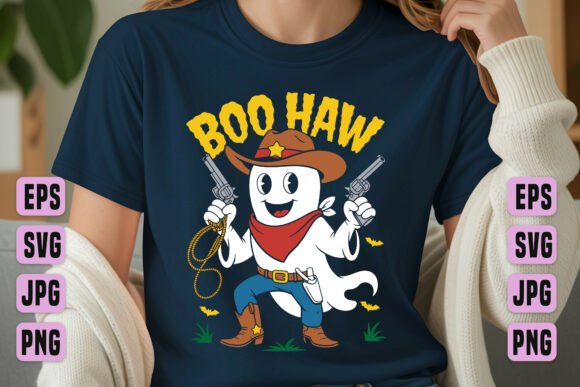
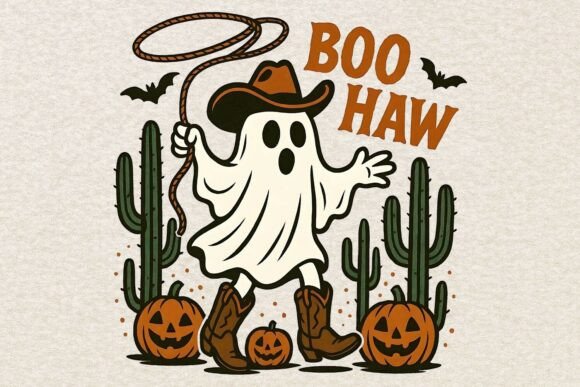
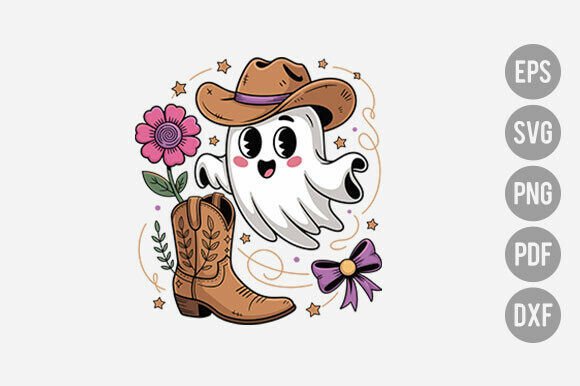
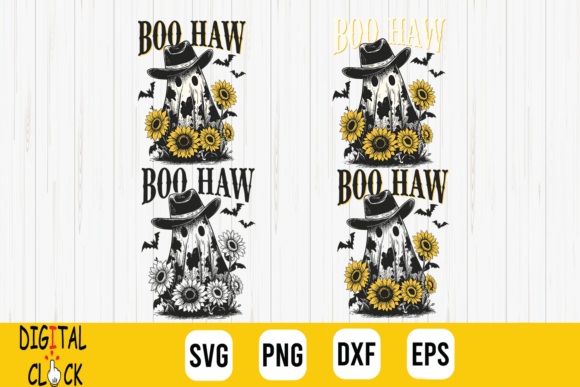
The immediate impact of Boo Haw Cowboy Ghost Western Halloween is its strong thematic cohesion. It captures the essence of autumnal spookiness without leaning too heavily into horror. The "Retro Fall Spooky Cowgirl" vibe suggests a playful, nostalgic aesthetic that resonates well with current trends in handmade fashion. Visually, the layout appears balanced, likely featuring a central character element—perhaps a ghostly figure donning western attire or interacting with sunflowers and cow prints—that anchors the composition.
For an embroiderer, the appeal here is the narrative quality. This isn't just a generic pumpkin; it’s a character-driven piece. When you look at the design assets, you can sense the potential for texture play. The inclusion of elements like sunflowers and cow prints offers opportunities to use different thread colors and stitch types to create depth. However, the challenge always lies in simplifying complex graphics so they remain legible after stitching. Does the design retain its personality when reduced to thread? That is the critical question we must answer before committing to production.
Real-World Application: Where This Design Shines
In my testing scenarios, I considered how Boo Haw Cowboy Ghost Western Halloween would perform on specific products. The design’s robust theme makes it ideal for seasonal merchandise. Here is where I see the highest potential for success:
- Custom Apparel: This is the most obvious application. Whether printed on t-shirts or embroidered on sweatshirts, the bold western-halloween theme stands out. For sweatshirt embroidery, the design likely works well on the chest area or as a large back print, offering a cozy yet festive look perfect for fall festivals or parties.
- Home Decor and Textiles: I envision this design thriving on pillow covers, tea towels, and kitchen aprons. The rustic western motif pairs naturally with linen or cotton blends often used in home goods. A tote bag design featuring this artwork could become a standout item at craft fairs, appealing to shoppers looking for unique holiday accessories.
- Personalized Gifts and Baby Items: The playful nature of the ghost and cow elements makes it suitable for baby embroidery projects, such as onesies or burp cloths. Parents often seek designs that are cute rather than scary, and this retro style hits that sweet spot. It also serves as a thoughtful personalized gift for friends who love western themes or Halloween decor.
- Commercial Embroidery Projects: For boutique branding, this design offers a distinct identity. If you are running a craft business focused on seasonal drops, having a versatile digital embroidery file like this allows you to create matching sets—caps, patches, and shirts—creating a cohesive brand presence.
Technical Considerations and Stitching Challenges
While the concept is strong, every embroidery project comes with technical hurdles. When evaluating Boo Haw Cowboy Ghost Western Halloween, several factors require careful attention to ensure a professional finish.
Detail Level and Small Hoop Sizes: If the design includes intricate details, such as fine lines in the cowboy hat brim or delicate sunflower petals, these may struggle in smaller hoop sizes. Dense stitching in tiny areas can lead to puckering or loss of definition. I recommend testing the design in your smallest intended hoop size to ensure all elements remain distinct. If the design relies on satin stitch for outlines, check that the width is sufficient to cover the base fabric completely without showing gaps.
Fabric Texture and Stability: The choice of fabric significantly impacts the outcome. On textured fabrics like heavy canvas or bouclé, small details might get lost. Conversely, on stretchy fabrics like jersey knits used for t-shirts, proper stabilizer usage is non-negotiable. Without adequate backing, the design may distort, causing the ghost or text to warp. Always test on scrap fabric first to dial in your tension and stabilizer type.
Thread Color Contrast: The visual appeal of the finished product depends heavily on thread selection. Since the design likely features multiple elements (ghost, western gear, flora), choosing threads that provide enough contrast against the garment color is crucial. For example, a white ghost on a black shirt needs a bright, opaque white thread to pop, while a pastel ghost on a cream shirt might wash out. Experiment with thread colors in digital mockups before loading your bobbin.
Where to Use Caution
There are specific scenarios where this design might not perform as well. Avoid using it on curved surfaces like caps unless you have specialized cap hoops and significant experience, as distortion can ruin the symmetry. Similarly, be cautious with dark fabrics if the design relies on light-colored fill stitches, as you may need multiple passes to achieve full coverage, increasing stitch count and density. Additionally, if the design contains tiny lettering or very thin decorative accents, it may not hold up well to frequent washing, especially on items like aprons or workwear that undergo heavy laundering.
Impact on Product Value and Customer Trust
A well-executed embroidery project does more than just decorate fabric; it communicates quality. When customers purchase a handmade product featuring Boo Haw Cowboy Ghost Western Halloween, they are buying into the craftsmanship as much as the image. Clean stitches, proper edge finishing, and accurate color representation build customer trust and enhance brand consistency.
If the design is digitized poorly, resulting in loose threads or misaligned elements, it can undermine the perceived value of the item. By taking the time to refine the stitch density and inspect the finished product closely, you demonstrate professionalism. This attention to detail encourages repeat business and positive reviews, which are vital for any Etsy seller or small shop owner. Furthermore, a high-quality printable mockup of the design can help buyers visualize the end result, reducing returns and increasing engagement.
Practical Designer Notes for Implementation
Before adding this design to your catalog or starting a client project, follow these essential steps:
- Test on Scrap Fabric: Never go straight to the final garment. Stitch the design on a similar fabric type to check for puckering, tension issues, and color accuracy.
- Review Stitch Density: Ensure the fill stitch and running stitch areas are balanced. Excessive density can make the fabric stiff and uncomfortable, while too little density may leave the fabric visible through the thread.
- Check Licensing: Confirm whether the design assets allow for commercial use. If you plan to sell finished items, ensure you have the appropriate license to avoid legal issues.
- Inspect Small Details: Zoom in on the digital file to identify any tiny elements that might not reproduce well in thread. Simplify or remove them if necessary.
- Compare Backgrounds: Test the design on both light and dark fabric backgrounds to see how the colors interact. This helps in selecting the best garment options for your target market.
- Use Proper Stabilizer: Match the stabilizer to the fabric weight and stretch. Cut-away stabilizers are generally preferred for garments that will be worn and washed frequently, while tear-away may suffice for temporary decorations.
In conclusion, Boo Haw Cowboy Ghost Western Halloween is a versatile and charming design with strong potential for seasonal success. Its retro western theme appeals to a broad audience, making it suitable for a variety of handmade products. By paying close attention to technical execution and fabric choices, you can transform this digital graphic into a high-quality embroidered patch or apparel piece that delights customers and elevates your brand. Remember, the difference between a good design and a great finished product lies in the preparation and precision of the stitching process.