Retro Cowboy Bunny Speech Therapy Tee Review: A Designer’s Perspective
As an experienced embroidery designer and product reviewer, I’m always on the lookout for digital embroidery files that bring both charm and practicality to real-world projects. When I first saw the Retro Cowboy Bunny Speech Therapy Tee, it struck me as a whimsical yet versatile design with potential across multiple use cases. Let me walk you through my hands-on evaluation from a professional standpoint—what it looks like in practice, where it shines, and what to watch out for.
First Impressions: Playful Yet Purposeful
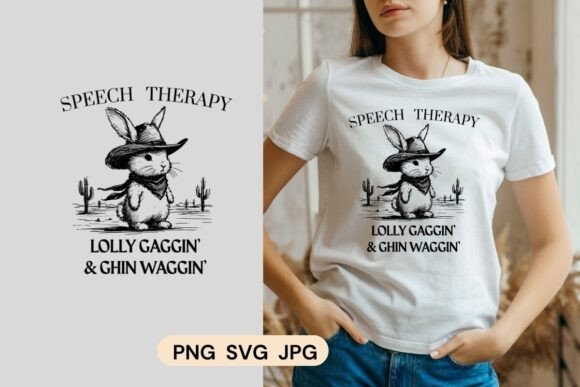
The Retro Cowboy Bunny Speech Therapy Tee immediately stands out with its nostalgic aesthetic. The bunny is rendered in a classic cartoon style, complete with a tiny hat and boots that evoke old-school animation. It carries a lighthearted, fun vibe while also clearly communicating its purpose: speech therapy. This makes it ideal for educational materials, custom apparel for therapists or teachers, or even playful promotional items for clinics or schools.
Visually, the layout is clean and centered, which is great for T-shirt designs. The detail level is just right—not too intricate that it becomes overwhelming, but enough to make the character expressive and memorable. The shape of the design is compact and well-proportioned, making it suitable for placement on a variety of garments without needing major resizing.
Visual Personality & Project Fit
This design feels like it belongs on a children’s sweatshirt or a tote bag used for carrying therapy tools. Its personality is warm and approachable, which is perfect for environments where comfort and familiarity are key. As an embroidery file, it maintains a good balance between visual interest and stitchability, especially when using satin and fill stitches effectively.
Real-Life Embroidery Performance
Embroidering this design onto a custom tote bag for a speech therapist client was a smooth experience. The bunny appeared bold and clear after stitching, with minimal distortion. On a cotton-poly blend fabric, the design held up well, and the thread colors provided excellent visibility against light backgrounds. I did notice that on darker fabrics, the contrast dropped significantly, so I’d recommend testing the thread color contrast before finalizing any project.
When applied to a sweatshirt, the stitch density was manageable, though I had to adjust the stabilizer type slightly due to the fabric’s thickness. For baby clothes, the design worked beautifully when placed near the hemline, avoiding high-stress areas. However, for caps or hats, the curved surface made some of the edges appear less crisp, so careful consideration should be given to placement and fabric choice.
I also tested it as an embroidered patch for a handmade apron. The bunny added a delightful touch, and the overall look was cohesive and professional. That said, if the fabric is stretchy or textured, the results can vary. You’ll need to pay attention to how the fill stitch reacts on different materials and whether the design needs minor tweaking for optimal clarity.
Use Cases Where It Excels
- Tote bag design: Great for branding, gifts, or promotional items.
- Sweatshirt embroidery: Perfect for personalized gifts or small shop merchandise.
- Baby embroidery: Adds a charming touch to nursery decor or baby clothes.
- Holiday gifts: Especially fitting for Easter baskets or themed presents.
- Etsy listings: Appeals to parents, educators, and creative entrepreneurs looking for unique, kid-friendly designs.
- Craft business products: Works well on scrubs, coffee mugs, or website banners for speech therapy-related shops.
Where Caution Is Needed
While the Retro Cowboy Bunny Speech Therapy Tee is a solid design, there are a few scenarios where extra care is necessary. For instance, if you're working with small hoop sizes, you may need to simplify or scale down the design to avoid losing important details. Also, the bunny has several small features (like facial expressions and hat details) that could become distorted on textured or thin fabrics.
If you’re considering using this on stretchy materials, such as spandex blends, I suggest increasing the stabilizer usage and possibly reducing stitch density to prevent puckering. And for dark fabric applications, keep in mind that the design’s subtleties might not show up as well unless you choose contrasting thread colors.
On curved surfaces like caps or pillow covers, the design may require some manual adjustments to maintain symmetry. Always do a test run on a scrap piece of your intended fabric to see how it behaves under tension and heat.
Design Integrity Across Applications
In terms of visual appeal, the design brings a sense of playfulness that’s hard to resist. Customers will likely find it engaging and memorable, especially if they’re in the early childhood education or therapy space. The stitching clarity remains strong on most standard fabrics, particularly cottons and blends, but may need optimization for more delicate or unusual materials.
From a business perspective, this design can enhance the product value of handmade or boutique items. It adds a layer of personalization that customers appreciate, and it supports brand consistency for those in the therapeutic or educational niche. As a gift item, it’s highly giftable and recognizable, which helps with word-of-mouth promotion.
Designer Notes for Optimal Use
- Test on scrap fabric: Before committing to a large order or client project, stitch a sample to evaluate how the design translates into reality.
- Review thread color contrast: Especially crucial for dark fabric backgrounds. If the design loses definition, consider re-coloring parts of it.
- Check stitch density: Adjust as needed depending on the fabric texture. Too dense and it may pucker; too sparse and it may lack impact.
- Confirm hoop size: Ensure the design fits comfortably within your machine’s capabilities. Don’t forget to leave room for seam allowances if applicable.
- Inspect small details: The bunny's face and accessories are delicate, so ensure your machine handles fine lines well.
- Use black and white mockups: These help visualize how the design will look without relying on specific thread shades.
- Compare light and dark backgrounds: The design works best on lighter-colored fabrics. Darker ones may require additional lighting effects or outlines.
- Choose the right stabilizer: A tear-away or cut-away stabilizer can make all the difference in achieving a clean finish.
- Verify commercial use rights: Since this is a digital embroidery file, confirm licensing before using it in mass production or selling finished products online.
Commercial Considerations for Etsy Sellers and Boutique Brands
For handmade product creators and craft business owners, this design offers a nice mix of humor and utility. It can easily be incorporated into design assets for printable mockups or social media previews. Just remember that if you're planning to sell finished items or digital versions of the design, you must ensure you have the proper license to do so.
Its retro feel aligns well with vintage-inspired trends, making it a good fit for niche shops that focus on personalized gifts or holiday embroidery. It can be paired with other educational-themed elements to create a cohesive line of speech therapy merchandise.
Final Thoughts for Creative Entrepreneurs
The Retro Cowboy Bunny Speech Therapy Tee is a standout in the world of machine embroidery designs. It’s not just cute—it tells a story and builds a connection with its audience. Whether you're creating custom apparel for a client, designing a printable mockup for your Etsy store, or adding a whimsical touch to your small shop product lineup, this design has the potential to elevate your offerings.
That said, it’s important to treat it with the same scrutiny as any other embroidery project. Every material and machine setup behaves differently, and while this design is generally forgiving, it still requires thoughtful execution to achieve the best results.
Overall, I’d say this is a reliable graphics file that can serve both personal and commercial purposes. Just make sure to tailor your approach based on the fabric, application method, and end-use scenario. With a little preparation, the Retro Cowboy Bunny Speech Therapy Tee can become a favorite in your design repertoire—especially when used in the right context.