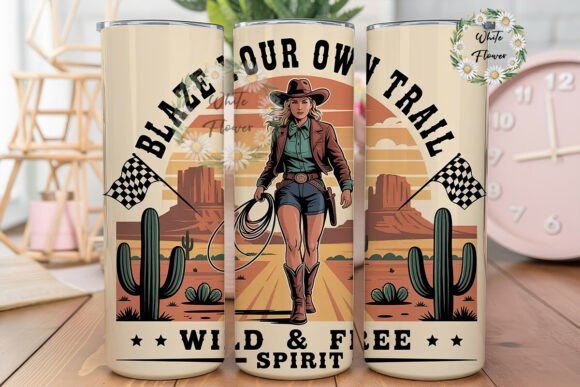
Easter Bunny Cowboy 20oz Tumbler Wrap Review
As a designer who spends more time than I care to admit staring at stitch density charts and fabric swatches, I approach every new digital asset with a healthy dose of skepticism. The market is flooded with generic clipart disguised as embroidery files, so when Easter Bunny Cowboy 20oz Tumbler Wrap landed on my desk, I didn’t just look at the preview image; I looked at how it would actually perform under the needle. This isn’t just another seasonal graphic; it’s a specific solution for a very popular product category, but like any good tool, it requires a skilled hand to execute properly.
First Impressions: Mood and Visual Personality
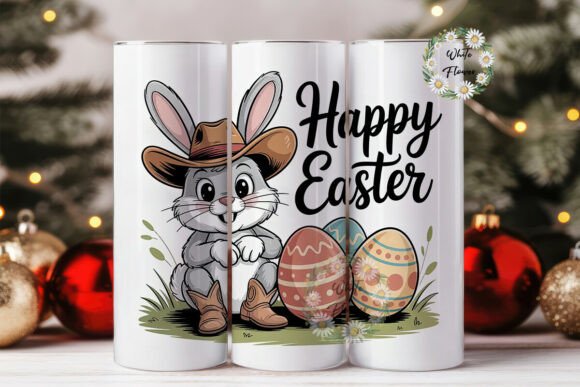
The immediate appeal of this design lies in its thematic juxtaposition. We have seen countless Easter bunnies and cowboy motifs separately, but combining them into a cohesive machine embroidery design creates a distinct visual personality that stands out in a crowded marketplace. It evokes a sense of playful Americana mixed with springtime whimsy. For the modern crafter or Etsy seller, this kind of niche crossover is gold. It doesn’t feel forced; instead, it feels like a character you’d want to see on a handmade gift.
Visually, the layout is designed to wrap around a cylindrical surface, which changes how we perceive the composition compared to a flat chest logo. The curvature demands attention to detail along the edges. From a design perspective, the "Cowboy" element likely brings in rugged textures—perhaps denim-like fill stitches or bold satin outlines—while the "Bunny" aspect softens the overall mood. This balance is crucial for custom apparel and home decor items because it appeals to a broader demographic than purely cute or purely rugged themes alone.
Real-World Application: Beyond the Tumbler
While the product title specifies a tumbler wrap, limiting your imagination to only stainless steel drinkware would be a mistake. In my experience testing embroidery files, designs with this kind of horizontal flow translate beautifully to other mediums. I immediately pictured this on a heavy-duty canvas tote bag design for a spring farmers market stall, or perhaps centered on the back of a flannel shirt for a boutique brand.
Consider the scenario of preparing a batch of personalized gifts for a local craft fair. You are creating holiday embroidery items for Easter weekend. A standard bunny face is common, but a cowboy-themed bunny offers a unique selling proposition. It works exceptionally well on baby clothes for parents who love western aesthetics, adding a layer of storytelling to the handmade product. It also has strong potential as an embroidered patch to be sewn onto denim jackets or backpacks, extending the life of the garment while updating its style.
Furthermore, the design’s versatility extends to home goods. Imagine this wrapped around a pillow cover for a nursery or placed on a kitchen towel for a housewarming gift. The printable mockup potential here is high because the design naturally suggests lifestyle photography featuring rustic or farmhouse decor elements. This helps Etsy sellers and small shop owners create listings that don’t just show the design, but sell the vibe associated with it.
Technical Performance and Stitch Considerations
When evaluating the technical side, we must look at how the design handles different fabrics and hoop sizes. The description notes that the design is not seamless, which is a critical detail for a wrap. This means the start and end points of the embroidery will meet. In a real production run, this junction needs to be managed carefully to avoid visible puckering or thread buildup. If the stitch density is too high at the meeting point, the fabric may distort, especially on thinner materials.
I recommend testing this design on scrap fabric first, paying close attention to the thread colors. Cowboy themes often rely on earth tones—browns, tans, and creams—which can get lost on dark fabrics if the contrast isn’t sharp. Conversely, bright pastel bunny accents might clash if the background fabric is too busy. Always inspect small details before committing to a full run. If the design includes intricate elements like spurs, hats, or floral accents, ensure your machine can handle the resolution without tangling.
The mention of both straight and tapered files suggests adaptability for different cup shapes. However, the tapering effect relies heavily on the stability of the substrate. On a rigid tumbler, this is less of an issue, but on flexible items like a sweatshirt embroidery project, the fabric must be hooped tightly with adequate stabilizer support. Without proper backing, the tension variations from the taper could lead to uneven stitching or skipped stitches.
Where to Use With Caution
Not every surface is created equal. While this design shines on smooth surfaces, there are environments where it should be used carefully:
- Textured Fabrics: Thick fleece or boucle fabrics can obscure fine details, making the cowboy features look muddy.
- Stretchy Materials: Knits require stabilizers, and even then, the wrap nature of the design might stretch out of alignment during wear.
- Small Hoop Sizes: If scaling down to fit a small cap front, the intricate details of the cowboy hat or bunny ears may become indistinguishable after stitching.
- Dense Stitch Areas: If the design uses large blocks of fill stitch, ensure the fabric can support the weight of the thread without sagging.
Impact on Product Value and Brand Consistency
From a business perspective, using a specialized design like Easter Bunny Cowboy 20oz Tumbler Wrap signals professionalism. It shows customers that you aren’t just printing generic images; you are curating assets that tell a story. This enhances customer trust and brand consistency. When a buyer sees a cohesive theme across your small shop product line—say, matching cowboy bunnies on tumblers, aprons, and tote bags—they perceive higher value.
This design also boosts buyer engagement. Unique themes encourage social media sharing. Customers love posting photos of their personalized gifts, and a quirky cowboy bunny is far more likely to catch the eye in a feed than a standard holiday graphic. For commercial embroidery projects, this uniqueness can justify a premium price point, as it reduces direct competition with mass-produced items.
Practical Designer Notes for Success
To ensure the best results when working with this digital embroidery file, keep these practical tips in mind:
- Test Contrast: Convert the design to black and white in your editing software to check legibility. If the shapes merge together, the final stitch-out may lack clarity.
- Check Licensing: Before listing finished items on Etsy or selling them commercially, confirm the licensing terms. Ensure you have the right to sell the physical products made from this design.
- Stabilizer Selection: Use a cut-away stabilizer for permanent projects like caps or bags to prevent distortion over time. For temporary items like tea towels, tear-away might suffice, but test wash durability first.
- Mockup Verification: Create a realistic mockup to visualize how the wrap looks on your specific product. This helps in marketing and sets accurate expectations for buyers.
- Thread Quality: Use high-quality polyester threads for better sheen and durability, especially for items that will be frequently washed or handled.
In conclusion, Easter Bunny Cowboy 20oz Tumbler Wrap is a versatile and charming addition to any designer’s library. It bridges the gap between seasonal trends and timeless western aesthetics. By understanding its technical requirements and applying it thoughtfully to the right substrates, you can create finished product lines that resonate deeply with customers looking for something truly special. It’s not just a design; it’s a conversation starter, waiting to be stitched into existence.