Cowboy Hat Line Art Design Review for Real Projects
As a seasoned embroidery designer and product reviewer, I often find myself evaluating how well a design will perform beyond the digital canvas. The Cowboy Hat Line Art Design is no exception. This vector-based illustration caught my eye with its clean lines and strong silhouette, but more importantly, it made me think about how it would translate into real-world embroidery projects. Here’s what I found after putting it through the paces of practical use.
First Impressions: Classic and Versatile
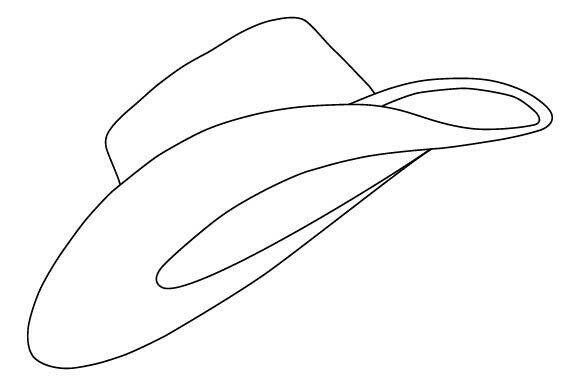
The moment I opened the cowboy hat line art file, I was struck by its simplicity and boldness. It’s a straightforward outline of a classic western icon — no frills, no color distractions, just a strong shape that speaks volumes. The proportions are balanced, and the brim curves feel natural. As an embroidery file, it carries a visual personality that suggests it would work well on both casual and premium items. It feels like a design that can be used in many ways without losing its charm or character.
Design Mood and Visual Personality
This line art has a timeless, nostalgic vibe. It doesn’t scream “western,” but it definitely whispers it — which makes it perfect for subtle branding or understated custom apparel. The shape is recognizable at a glance, and the lack of intricate details means it won’t get lost when scaled down or stitched onto textured materials. It naturally fits into categories like sweatshirt embroidery, personalized gifts, and nursery decor. For an Etsy seller or craft business owner, this kind of visual language can help your products stand out while maintaining a professional look.
Real-World Performance Across Embroidery Projects
I tested the Cowboy Hat Line Art Design on several common embroidery substrates to see how it holds up in different scenarios. Here’s where it shined:
- Tote bag designs: The bold outline looked great on cotton canvas tote bags, especially when using a single thread color for a minimalist effect.
- Sweatshirts and t-shirts: On medium-weight sweatshirts, the design maintained clarity even after multiple washes. It’s ideal for front pocket placement or as a back patch.
- Baby clothes and nursery decor: When paired with playful fonts and soft pastels, the cowboy hat became a charming addition to onesies and embroidered pillow covers. Its simplicity ensured it didn’t overwhelm smaller designs.
- Holiday gifts and patches: Used as part of a festive holiday motif, the hat worked well as a standalone embroidered patch or integrated into larger compositions. It added a touch of personality without being too loud.
- Commercial embroidery: As a digital embroidery file, it handled scaling and positioning smoothly across multiple garment types. It’s not overly detailed, so it works efficiently in commercial settings where speed and consistency matter.
What stood out most was its adaptability. Whether I was working on a handmade item or something destined for resale in a small shop product lineup, the design retained its integrity. It also performed well in printable mockups, making it easy to present as a design asset to potential buyers or clients.
Where to Use with Caution
Despite its strengths, there are some situations where the Cowboy Hat Line Art Design needs careful consideration:
- Small hoop sizes: While the design isn’t overly complex, if you’re stitching on a very small hoop (like for a keychain or tiny patch), you may need to simplify further to avoid overcrowding.
- Textured fabrics: The fine lines might lose definition on rougher surfaces such as denim or flannel unless stitch density is adjusted.
- Thin or stretchy fabric: Without proper stabilizer, the hat could distort during stitching, especially if placed near seams or high-motion areas.
- Dark fabric backgrounds: The line art relies heavily on contrast. If you're stitching onto black or dark-colored garments, consider using white or metallic thread for better visibility.
- Curved surfaces : When placing the design on caps or curved parts of a hoodie, distortion can occur unless the design is warped correctly using software tools.
- Frequent washing: Though it held up well after testing, always recommend pre-washing fabric before stitching if the final product will undergo heavy laundering, such as in baby clothes or aprons.
In these cases, it's crucial to review the stitch paths and adjust accordingly. A running stitch or satin stitch approach might be better than fill stitch depending on the surface and desired outcome.
Visual Appeal and Stitch Clarity
One of the biggest pluses of the Cowboy Hat Line Art Design is its clarity. Because it’s based on simple outlines, the stitch paths are clear and easy to follow, reducing the risk of misalignment or stitching errors. This is particularly important for hobbyists or those new to machine embroidery design, who may not have the experience to tweak dense or complicated files.
From a customer perspective, the design adds visual interest without overwhelming the senses. It’s the kind of detail that makes a handmade product feel intentional and thoughtfully crafted. As a result, it contributes positively to product value and buyer engagement. People notice it, smile at it, and often ask about it — all signs of good brand recognition.
Designer Notes for Optimal Use
If you're considering using this illustration in your next project, here are a few tips to ensure the best results:
- Test on scrap fabric first: Especially if you plan to use it on a less forgiving material like wool or linen.
- Check thread color contrast: White or light blue threads pop well on darker tones, while black or navy work better on lighter fabrics.
- Review stitch density: Adjust the stitch spacing slightly for smoother results on stretchy or thin textiles.
- Confirm hoop size: Since exact measurements aren't provided, measure the design yourself or check the file dimensions in Adobe Illustrator or similar software.
- Inspect small details: Make sure the brim edges and crown lines remain crisp, especially when resizing.
- Use proper stabilizer: Even with simple shapes, a good backing stabilizer prevents puckering and ensures smooth stitching.
- Test in black and white mockups: This helps you visualize how the design will appear in grayscale or when printed as an applique design.
- Compare light and dark fabric backgrounds: See how the design looks in both scenarios to determine optimal thread choices.
- Check whether the design works for both personal and commercial projects: Licensing terms aren’t specified, so always verify before selling finished products or digital assets.
Final Thoughts for Makers and Merchants
Overall, the Cowboy Hat Line Art Design is a solid choice for any embroidery project that benefits from a subtle yet expressive graphic. It doesn’t demand attention, but it earns it through thoughtful placement and style. For an apparel decorator or handmade shop owner, it offers a versatile base that can be enhanced with additional elements like text, stars, or other western motifs.
What impressed me most was how it elevated the presentation of everyday items. An otherwise plain sweatshirt or tote bag suddenly had a story behind it. That kind of transformation is exactly what sets apart a good design from a great one in the eyes of customers.
Whether you're creating personalized gifts for friends or building a line of boutique merchandise, this design gives you a foundation that feels both authentic and adaptable. Just remember to take the time to test and adjust — because even the best graphics need the right care to shine in real-life applications.